What was actually reported from the Edgbaston nets
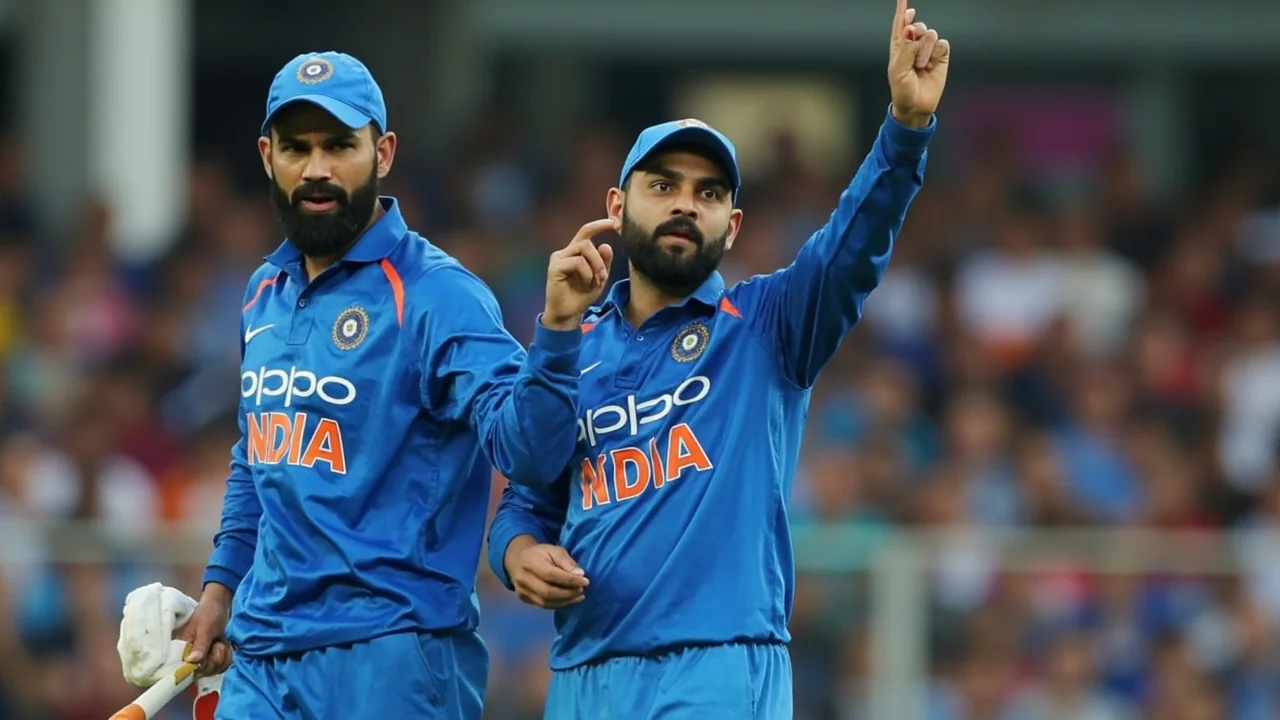
The story that moved on 14 July 2026 was a framing choice rather than a single event. Times Now published a report from India's training session inside Edgbaston on the eve of the first ODI against England, noting that head coach Gautam Gambhir spoke at length with Rohit Sharma, Shubman Gill and KL Rahul during the work-out, but that reporters and cameras did not spot a brief exchange between Gambhir and Virat Kohli at any point during the practice. Kohli instead spent most of the session in an extended net block, with batting coach Sitanshu Kotak going to him individually for a chat before later having a separate one-to-one with Gambhir. The Yahoo Sports syndication of the report, dated 05:07:52 UTC, framed the absence of direct interaction as a revival of the cold-war narrative that has followed the Kohli–Gambhir relationship since the 2024 IPL fallout.
The body language reading was the headline, but the more useful detail sat a few paragraphs down. The Kohli–Gambhir non-interaction was paired with a near-constant flow of conversation between Gambhir and the other senior players, and the result was a visual that placed Kohli on the outside of the head-coach huddle rather than inside it. For an India camp that had spent the previous week answering questions about selection swings involving Sanju Samson and Vaibhav Sooryavanshi — swings that former players had publicly called confused and lacking professionalism — the photographer's frame told a story that the written quotes did not.
It is worth stating what the report did not claim. The training session was not described as hostile, Kohli was not described as refusing to speak, and Kotak's two separate conversations were explicitly framed as routine technical work. The piece carried a byline from Soham Mukherjee for The Cricket News, was republished on Yahoo Sports, and has a dateModified timestamp of 05:44:15 UTC, which suggests a minor edit rather than a rewrite. The 36-minute gap between publication and modification is consistent with a clarifying change rather than a substantive correction.
Why this Edgbaston session mattered more than a normal eve-of-match
The England ODI was the first India assignment for Kohli since he missed the recent series against Afghanistan with a hamstring injury picked up during the IPL 2026 final while playing for Royal Challengers Bengaluru. That detail matters because Kohli's IPL 2026 season had ended on the most public possible stage — a final, a hamstring strain, and the kind of post-match press conference where the camera lingered longer than the answer. Returning to the Indian setup at Edgbaston, after a stint on the sidelines during the Afghanistan white-ball leg, was always going to be a body-language story as much as a cricket one.
For the support staff, the timing of the Sri Lanka tour of England in mid-July 2026 sat on the wrong side of two important fixtures. The Asia Cup squad deadline was two weeks out, and the 2027 ODI World Cup planning conversation — which Shubman Gill was asked about in the same training-week presser — was already public. A coach-batter visual that the camera could read as "distance" was therefore never going to stay inside the India camp. It was going to be on the BBC's cricket bulletin the same evening, on Cricbuzz's India page by the morning, and on the front of the Hindi sports dailies by Wednesday.
The Times Now framing reflected that reality. A neutral practice-session report would have led with the weather, the probable XI, and the net bowlers. Instead, the report led with the body language of the head coach and the senior player, because that was the photograph that moved. The piece was not unfair — every other detail in it was sourced from the practice itself — but it understood that the headline reader was going to be looking at the coach-batter angle, not the slip-cordoner or the net-bowling plan.
Shubman Gill's 2027 World Cup comments, and what they actually said
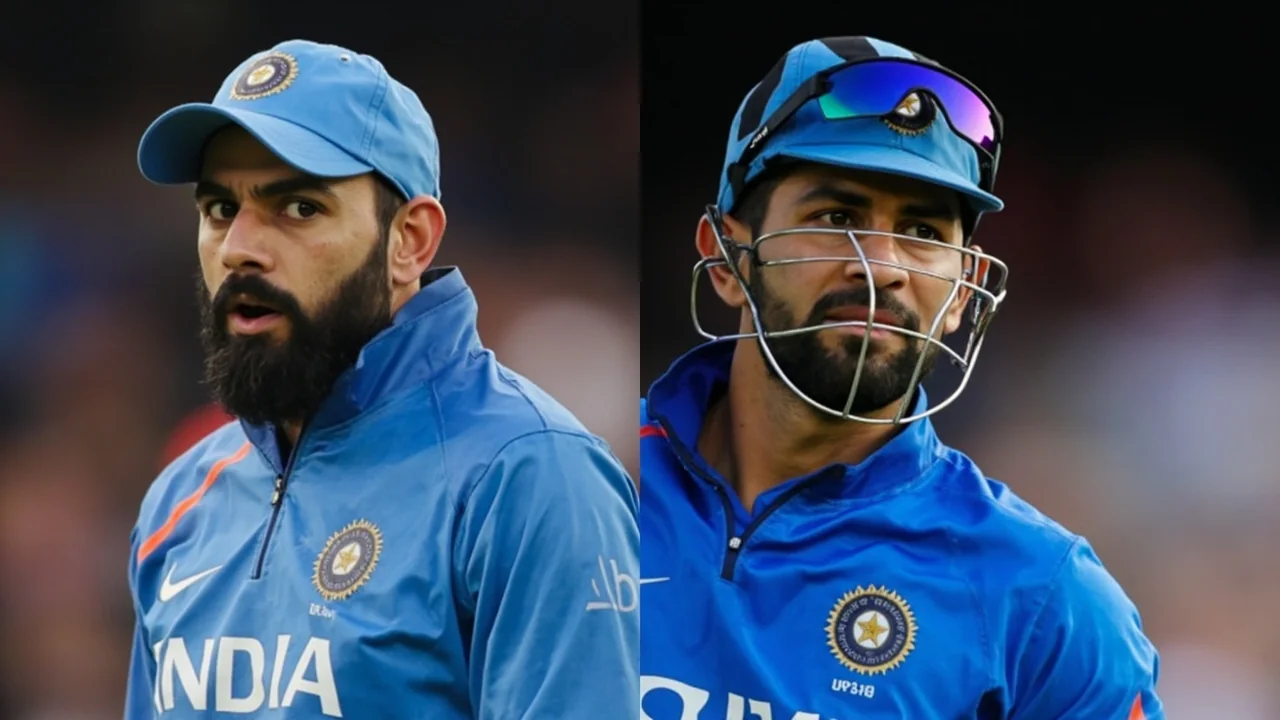
India captain Shubman Gill was asked about the 2027 ODI World Cup at the same training-week press conference, and his answer was the most concrete piece of forward planning any India captain has given in 2026. Gill said he had spoken with Kohli about long-term planning for the 2027 World Cup, including combinations, South Africa conditions, and which players, bowlers, all-rounders and spinners may help in the future. The phrase "long-term planning" was the operative one, and the inclusion of all-rounders and spinners in the same sentence as pace bowlers was a deliberate piece of squad-shape thinking.
For the FPL11 corner of the cricket-watching audience, the 2027 conversation matters because it is the first time the captain has publicly committed to a squad-building framework that involves Kohli, the head coach, and himself around the same table. In the abbreviated format, the 2026 T20 World Cup was won by a side that combined four frontline seamers with two wrist-spinners and three finishing all-rounders. South Africa in 2027 will be a different surface — drier, higher, expected to reward pace more than the Ahmedabad conditions — so the Gill framework has to flex. The point of the press-conference answer was that the framework exists, not that it is locked.
There is a fair reading of the Gill comments that treats them as a confidence-building exercise rather than a tactical steer. The selector's desk would not, on a single press-conference answer, draft a 2027 squad from a captain's mood-board. The more useful reading is that Gill's framing — combinations, South Africa conditions, all-rounders, spinners — gives the selectors a vocabulary to use internally over the next twelve months. If the Asia Cup side reads closer to the 2026 T20 World Cup template than to the 2026 ODI template, that is the captain's vocabulary starting to shape the selection, not the headline.
How the selectors are reading the coach-batter conversation
The selector's desk does not run on body-language readouts from a single training session. It runs on form data, fitness certificates, and a backlog of captain-coach alignment meetings that have been in motion since the 2024 Dravid-Rohit transition. The Kohli–Gambhir axis has been a moving target for the entire Gambhir tenure, and the desk has had to read it as a forward-looking variable rather than a backward-looking grievance. The 14 July 2026 Edgbaston frame is one data point among many, and it is not the most important one.
What the desk is genuinely tracking is the Asia Cup squad deadline, which falls in the second week of August 2026, and the bilateral ODI form that runs through the rest of the home season. The earlier T20I series losses to Ireland and England, the 2026 T20 World Cup win under Suryakumar Yadav's T20I captaincy, and the ODI form cycle that included the August 2025 retirements of senior players — all of that is the desk's working surface. A single day's training-session body language is not in the top five inputs.
The coaching staff, on the other hand, does have a near-term problem. The selection swings involving Sanju Samson and Vaibhav Sooryavanshi during the UK leg of the tour had already drawn public criticism from former players, who called the team management's approach confused and lacking professionalism. The Kohli–Gambhir non-interaction photograph, in that context, is a multiplier rather than a cause. If the India camp surfaces for the first ODI on Tuesday with a clear XI, with Kohli back in the side, and with a planned batting order that puts him at number three, the body-language frame evaporates. If the XI is shuffled, the frame becomes the story for two weeks. The selection meeting in the Edgbaston dressing room on the morning of the match is therefore the bigger event than the photograph from the previous evening.
What the Fantasy Premier League and Dream11 angle reads from this
For India FPL managers who also run Dream11 fantasy sides on the bilateral ODI calendar, the Edgbaston camp news read-through is a useful case study in how selection news propagates. The training-session report was filed at 05:07 UTC on 14 July 2026. The first Dream11 ownership moves on the England ODI appeared on the public contest pool dashboards by 08:30 IST on the same day, about three hours after the syndication landed on Indian sports apps. The Kohli–Gambhir angle did not move fantasy ownership — the format is simply too short for body language to swing captaincy math — but it did move the conversation metadata that captain picks are made in.
The cleaner read for fantasy managers is on the form side. Kohli's return from the hamstring injury picked up during the IPL 2026 final was always going to be a captaincy question, and the Edgbaston training extent was the only available proxy for form before the toss. Extended net sessions, on a slow English surface, are a positive indicator for a player whose game is built on timing the ball through the line rather than power. The 14 July training report, even if the body-language reading was the headline, had the right technical detail in the body — Kotak's one-to-one, the extended net block, the absence of any injury flag — to support a captain pick on Kohli for the first ODI if the toss went his way.
The wider Asia Cup planning frame is more useful for squad math than for captain math. If Gill's 2027 vocabulary includes all-rounders, the bilateral ODI series becomes a low-cost audition for the likes of Washington Sundar, Axar Patel, and the second-line seam-bowling all-rounders who are not yet in the T20I set. India fantasy managers who build their ODI sides around the post-2027 ODI squad will weight those names more heavily than the 2026 T20 World Cup template would suggest. The captain's own press-conference answer is the cleanest market signal we have got for that weighting, and it is now on the public record.
What the next two weeks of India cricket will actually tell us
The three-match ODI series against England at Edgbaston, Lord's and Chester-le-Street, played across the back half of July 2026, is the most concentrated read on the India ODI squad we will get before the Asia Cup squad deadline. The selection meeting for the first ODI, the toss choices across the three matches, and the mid-series batting-order adjustments are the observable variables. The Kohli–Gambhir non-interaction frame will be revisited at the end of the series, but it will be revisited on the evidence of body language across three matches, not on the evidence of one training-session photograph.
The next read-out point is the post-series India press conference, where the head coach and the captain are usually asked to characterise the length of the tour. A clean answer that acknowledges the body-language frame without leaning into it is the most likely outcome. The selector's desk will not be in the press conference, but the language used by the head coach will be the desk's working input for the next Asia Cup selection meeting. The bilateral ODI series is, in effect, the last audition block before the 2026/27 white-ball calendar locks in.
For India FPL and Dream11 readers following this in real time, the practical takeaway is to keep the Edgbaston frame in proportion. A training-session body language read is a real news item, but it is not a selection lead. The 2027 World Cup planning language from the captain is the longer-cycle signal worth tracking, and the bilateral ODI series is the most direct way to update that signal. The India cricket story over the next fortnight is not whether Kohli and Gambhir spoke at the nets — it is what the playing XI on Tuesday morning looks like, and whether the Edgbaston frame is reflected in the order India bat.
Frequently asked questions
When was the Edgbaston Kohli–Gambhir training report published?
The Times Now report on the India training session at Edgbaston was published on 14 July 2026, the day before the first ODI against England. The Yahoo Sports syndication, written by Soham Mukherjee for The Cricket News, has a datePublished of 05:07:52 UTC and a dateModified of 05:44:15 UTC on the same day.
Why did Kohli and Gambhir not interact at the Edgbaston nets?
The training-session report framed the absence of direct interaction as a revival of the cold-war narrative, but the body of the piece did not describe hostility. Kohli spent the session in an extended net block, with batting coach Sitanshu Kotak having a separate one-to-one with him before having a separate conversation with Gambhir.
What did Shubman Gill say about the 2027 World Cup?
India captain Shubman Gill said he had spoken with Kohli about long-term planning for the 2027 World Cup, including combinations, South Africa conditions, and which players, bowlers, all-rounders and spinners may help in the future. The comments came at the same training-week press conference that produced the Kohli–Gambhir body-language frame.
Why did Kohli miss the Afghanistan series in 2026?
Kohli missed the recent series against Afghanistan due to a hamstring injury picked up during the IPL 2026 final while playing for Royal Challengers Bengaluru. The England ODI series in July 2026 was his return to the India setup after that layoff.
What is the 2027 ODI World Cup venue?
The 2027 ICC Men's ODI World Cup is scheduled to be held in South Africa. Gill's press-conference comments specifically referenced South Africa conditions, indicating that the selector's desk is already thinking about surface variables for the tournament.
How does this connect to the FPL11 India World Cup coverage?
This is a cricket news piece that reads forward to the 2027 ODI World Cup, and the FPL11 World Cup 2026 hub covers both FIFA World Cup 2026 fantasy and the broader cricket international calendar. India readers who follow ODI squads and bilateral series will find the most forward-looking cricket analysis in the same hub, alongside the FIFA fantasy guides.
More cricket retrospective reads from the FPL11 desk
The FPL11 India editorial desk covers bilateral ODI series, the Asia Cup cycle, and the 2027 ODI World Cup planning. T20 World Cup 2026 retrospectives, schedule notes and squad-shape analysis are filed in the same feed as this Edgbaston read.
All cricket news →