What the selectors have actually decided
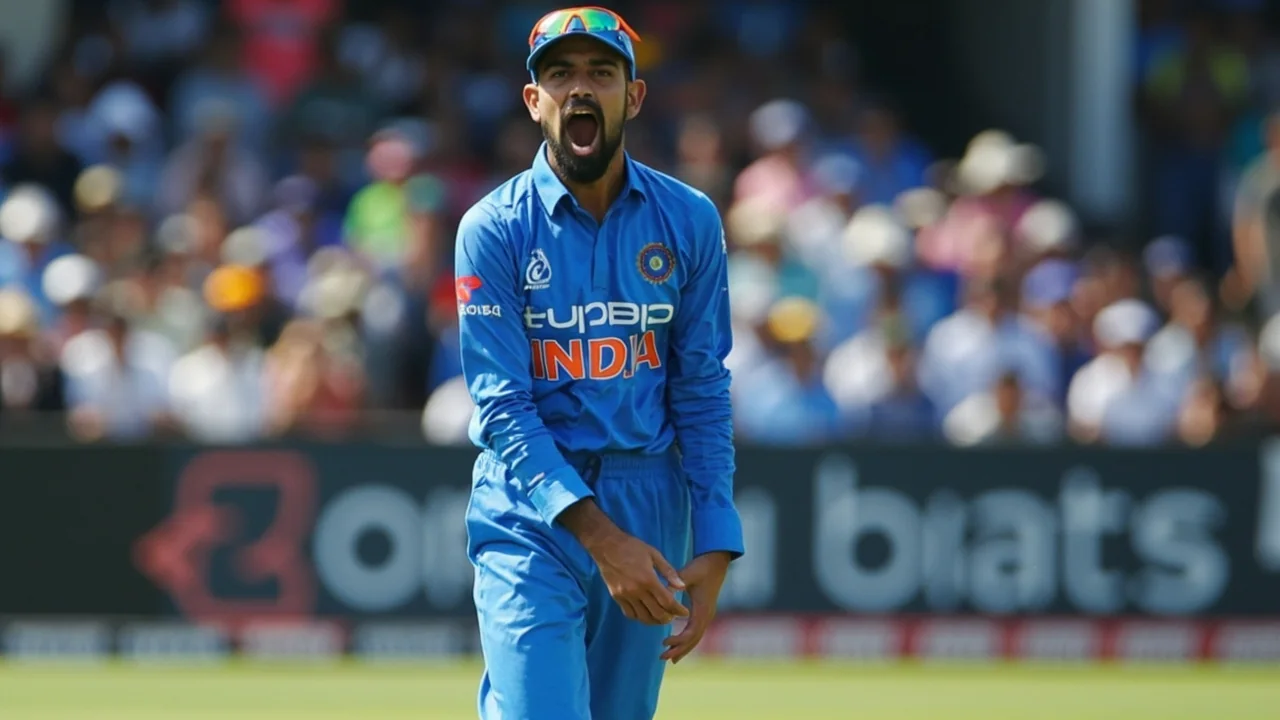
The headline is simple, even if the build-up around it was not. India's national selectors have identified a 15-member fast-bowling pool as the spine of the country's pace attack across formats for the next World Test Championship cycle and the 2027 ODI World Cup, and the pool does not include Mohammed Shami. The Sportstar report that NewsX syndicated on 29 July 2026 frames the decision as a forward-looking one: the selectors want a defined group of pacers who can be rotated across Tests, ODIs and T20Is through the next two-year window, and Shami — at 35, with a Test return that has looked increasingly uncertain since the 2025 home season — is not in that group.
For the immediate cricket calendar, the consequence is concrete. Shami has been left out of India's Test squad for the upcoming series against Sri Lanka. That squad is the first selection window of the post-T20-World-Cup white-ball reset, and being out of it means the next realistic route back into the India Test side is not the home season's middle block but the back end of it, by which point the selectors' 15-man fast-bowling pool will have had three or four rotations already.
The selectors' stated reasoning, as reported by Sportstar and carried by NewsX, is that "looking back would only delay the inevitable." The implication is that the cycle is moving on with or without the senior pacer, and that the upside of bringing Shami back for one series does not justify the cost of capping a younger fast bowler's exposure window. That is a different argument from "Shami is finished" — it is an argument about squad architecture, not form.
The Ranji Trophy return that did not move the needle
What makes the call harder to read is that Shami did exactly what an experienced pacer with a Test recall path is supposed to do. He returned to domestic cricket for the most recent Ranji Trophy season and finished with 37 wickets. Throughout that run he maintained publicly that he was fully fit and available, and the numbers — 37 wickets across a full domestic first-class campaign — are the kind of return that would normally put a senior bowler back into the selector's conversation.
It did not. The selectors' view, as the NewsX write-up of the Sportstar report carries it, is that the 37-wicket Ranji season answered a fitness question that was no longer the operative one. The operative question, in the selectors' framing, is which 15 fast bowlers will be India-ready across the next WTC cycle, and where Shami fits in a group whose median age is several years younger. A 37-wicket domestic season matters when the competition for places is close. In a pool built around Jasprit Bumrah and a clear second-tier of Mukesh Choudhary, Akash Deep, Mohammed Siraj and the next crop, it is a data point that does not change the ordering.
There is also a quietly important cricket detail behind the 37 wickets. Ranji Trophy pitches in the 2025/26 season were, on balance, flatter than in the previous two cycles — a number of first-class games were decided on first-innings runs rather than fourth-innings chases. Wickets were available to bowlers who could bowl long, accurate spells without needing to rip a batsman out with a single ball. That is the exact skill profile Shami still has, but it is also the exact skill profile the next tier has. The Ranji return did not create a separation, and the selectors' 15-man pool is the answer to a separation question.
Bumrah's workload and the second-tier question
Inside the 15-man pool, Jasprit Bumrah remains the undisputed leader of the pace attack, but workload management is now a continuing structural concern rather than a one-off adjustment. Bumrah has had three separate injury-management windows since the start of 2024 — the back issue that kept him out of the 2024 home Test summer, the post-T20-World-Cup rest cycle, and the controlled return through the 2025/26 white-ball leg. The selectors' 15-man pool is the answer to the question "who plays when Bumrah is not available," not just "who plays with him."
Mohammed Siraj is expected to shoulder greater responsibility alongside Bumrah. The Sri Lanka series, which the selectors' planning has effectively been built around, is the first assignment where Siraj is being deployed as the senior seam partner rather than the third seamer behind two more experienced names. That is a step up in role as well as a continuation in selection, and the NewsX write-up frames the Siraj promotion as one of the more concrete moves inside the wider 15-man pool.
The remaining 13 names in the pool will not all be in the Sri Lanka squad — the squad itself is a 16- or 17-player cut. What the 15-man pool gives the selectors is a defined shortlist for rotation: when a quick needs a rest, when a surfaces change requires a different angle of attack, or when a younger bowler needs to be blooded in home conditions before being asked to do it in South Africa in 2027. The pool is therefore a planning instrument, not a playing XI.
The 2027 ODI World Cup and the South Africa question
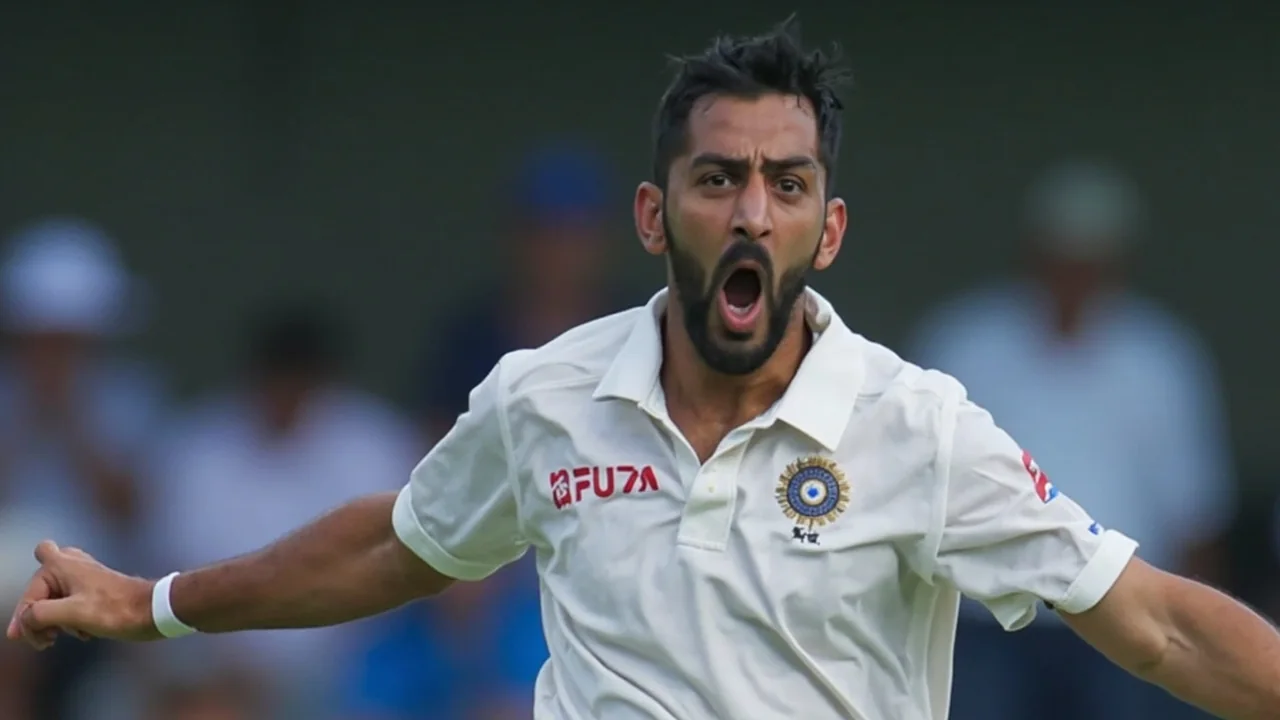
The selectors' stated horizon is two events: the next World Test Championship cycle and the 2027 ODI World Cup in South Africa. The South Africa venue is the longer of the two horizons, and the surface variables are different from anything India has played on recently. South African conditions in October-November 2027 are expected to reward pace more than spin, with bounce and lateral movement that Indian pacers have historically found harder to control than, say, English or Australian conditions.
That is the second argument for prioritising exposure over experience. A fast bowler who plays four Tests in the 2025/26 home season, three ODIs against Sri Lanka, and a full white-ball tour of the West Indies in early 2027 is, by October 2027, a bowler who has had 12-15 international caps in the preceding 18 months. A 35-year-old coming back from a year out of the side, however good his Ranji numbers are, is not. The selectors' framing is essentially that the squad needs to be South Africa-ready, and that preparation has to start now.
For India fantasy managers who also build sides on the bilateral ODI calendar, the South Africa horizon matters because it shapes the captain math. If the 15-man pool is the universe of pacers the selectors will pick from for the 2027 World Cup, the bilateral ODI captain picks between now and then are the most reliable proxy for form. A bowler who is rotating through Tests, ODIs and T20Is as part of the pool is a bowler whose fantasy ownership is going to be different from a one-format specialist. The bilateral ODI series is, in effect, an audition block.
What this means for the India fantasy pool
For Dream11 and My11Circle managers building sides on the bilateral ODI calendar through the rest of 2026, the practical implications are three. First, the Sri Lanka squad list is the first concrete read on who the 15-man pool actually is — the squad will not name all 15 but it will name 4-5 seamers, and that is the live cut. Second, the workload-managed Bumrah is going to miss blocks of bilateral cricket over the next 12 months, which means ownership of his fantasy replacement (the second seamer in the XI) will outpace ownership of Bumrah himself on the smaller contests.
Third, Shami is now formally a fantasy fringe pick on the India side. He was always that on the Test side since the last injury-management window, but the NewsX-syndicated Sportstar report makes it explicit on the ODI side as well. India fantasy managers running a long-cycle squad pool — the kind of pool that the FPL11 World Cup 2026 hub covers for the dual FIFA and cricket calendars — should treat Shami as a one-off differential pick for home conditions, not as a core squad member.
The wider reading for the India cricket cycle is that the 15-man fast-bowling pool is the selectors' answer to the post-Rohit, post-Bumrah-peak transition, and the squad architecture that comes out of it will shape the 2027 World Cup side. The Sri Lanka series is the first audition block. The home season's white-ball leg against the West Indies in early 2027 is the second. By the time the South Africa tour starts in October 2027, the pool will have had three or four rotations and a clear top six. The fantasy managers who track those rotations closely will have a meaningful edge on captain math when the World Cup starts.
What to watch between now and the Sri Lanka squad announcement
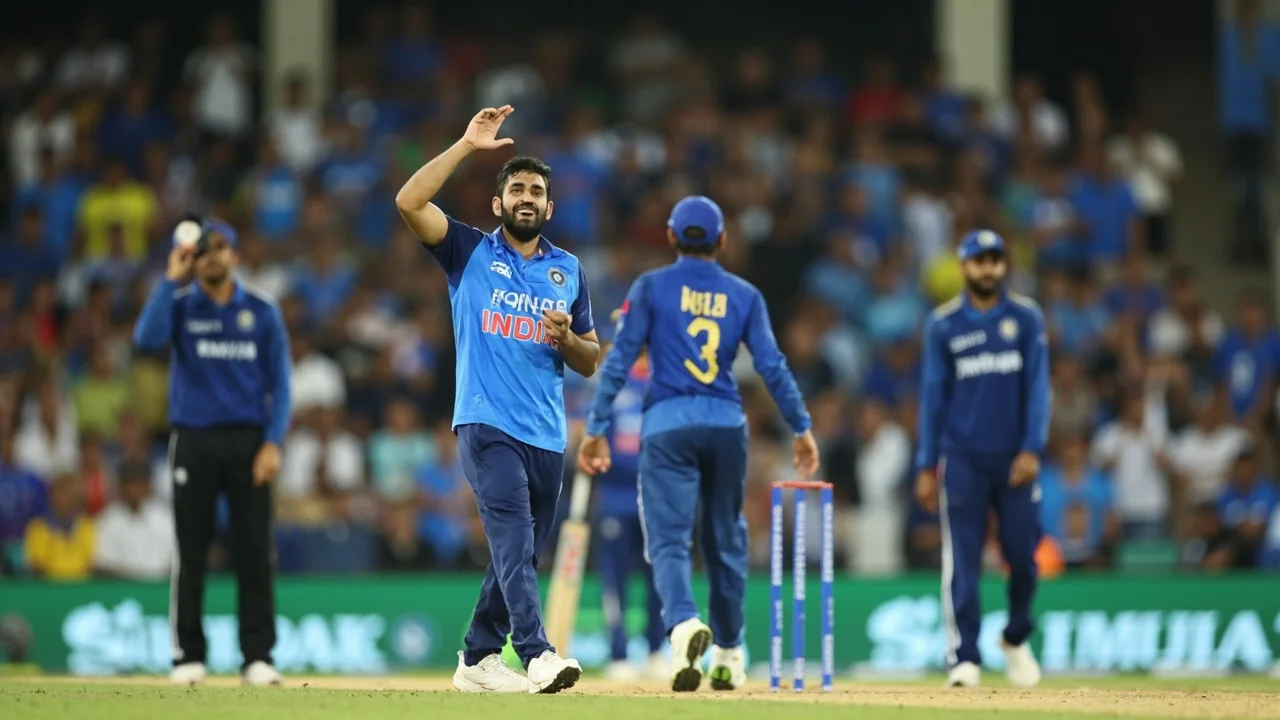
The Sri Lanka squad is the next concrete data point. A 16- or 17-player squad with three or four seamers and one of the next-crop all-rounders is the working assumption based on the NewsX/Sportstar framing, and any name not in that squad is functionally outside the 15-man pool for the next six months. India fantasy managers running a live auction-style format on Dream11 should pay closest attention to the second seamer in the XI — that is the role Siraj is being lined up for, and that is the ownership arbitrage point on the smaller contests.
Beyond the squad announcement, the next read-out is the post-series press conference after the first Test. The head coach and the captain are usually asked about workload management for Bumrah and about the depth chart behind Siraj, and the language used in that presser will be the selectors' working input for the next bilateral ODI selection meeting. For FPL11 readers who follow this in real time, the practical takeaway is to keep the 15-man pool as the universe of credible India seamers for the next 12 months, and to weight Sri Lanka series performance above Ranji Trophy numbers in the captain math.
The story is not that Mohammed Shami is finished as a Test bowler — the 37-wicket Ranji season is real, the fitness claim is plausible, and a home-track recall later in the cycle is not impossible. The story is that the selectors have committed to a defined fast-bowling pool for the next two-year window, and that the 15 names in that pool are the ones whose ownership and captain math on the India fantasy side will move through the South Africa World Cup build-up. The 29 July 2026 NewsX/Sportstar report is the formal signal that the cycle has started.
Frequently asked questions
What is the 15-man fast-bowling pool the India selectors have identified?
According to the Sportstar report carried by NewsX on 29 July 2026, the selectors have drawn up a 15-member fast-bowling pool as the spine of India's pace attack for the next World Test Championship cycle and the 2027 ODI World Cup. The pool does not include Mohammed Shami.
Why has Mohammed Shami been left out of the Sri Lanka Test squad?
The selectors' reported stance is that "looking back would only delay the inevitable." The argument is that the fast-bowling pool needs to be built around the next WTC cycle and the 2027 ODI World Cup in South Africa, and that bringing Shami back for one series would cap the exposure window of a younger bowler who is part of the long-term plan. Shami's 37-wicket Ranji Trophy return answered a fitness question that was no longer the operative one.
How old is Mohammed Shami and what is his current form?
Shami is 35 and finished the most recent Ranji Trophy season with 37 wickets. He maintained throughout the domestic campaign that he was fully fit and available for selection, but the selectors have elected not to bring him back into the Test side for the Sri Lanka series.
Who leads India's pace attack now?
Jasprit Bumrah remains the undisputed leader of the pace attack, with workload management a continuing structural concern. Mohammed Siraj is being lined up to shoulder greater responsibility alongside Bumrah, and is expected to be the second seamer in the India XI for the Sri Lanka series rather than the third seamer behind a more experienced partner.
Where will the 2027 ODI World Cup be held?
The 2027 ICC Men's ODI World Cup is scheduled to be held in South Africa, and the selectors' 15-man fast-bowling pool has been built specifically around South African conditions — pace, bounce and lateral movement that Indian pacers have historically found harder to control than Australian or English conditions.
How does this connect to the FPL11 World Cup 2026 coverage?
India fantasy managers who run Dream11 and My11Circle sides on the bilateral ODI calendar should treat the Sri Lanka squad as the first concrete read on who is in the 15-man fast-bowling pool, and should weight Sri Lanka series performance above Ranji Trophy numbers in the captain math. The wider 2027 ODI World Cup cycle is also covered in the FPL11 World Cup 2026 hub, alongside the FIFA World Cup 2026 fantasy guides.